4 Types Of Contamination : Control Of Foodborne Disease Today Review Of Classes / It is recommended that all spacecraft projects develop an officially recognized ccp, as part of the basic documentation hierarchy.
4 Types Of Contamination : Control Of Foodborne Disease Today Review Of Classes / It is recommended that all spacecraft projects develop an officially recognized ccp, as part of the basic documentation hierarchy.. Production of contaminants in the hydraulic system increases with the number of system components. However, if an animal dies in an area where groundwater is near the surface, it may be possible for hydrogen sulfide to seep through to the groundwater below. Cleanroom contaminants can be divided into four major categories, physical contaminants, chemical contaminants, viable/microbial contaminants and. Contamination is the presence of a constituent, impurity, or some other undesirable element that spoils, corrupts, infects, makes unfit, or makes inferior a material, physical body, natural environment. Even with this record, some people get sick from eating food.
This is why food handlers have a legal responsibility to ensure that the food they prepare is free from these contaminants and safe for the consumer. Food contamination refers to when something gets into food that shouldn't be there, thereby making the food unsafe to eat. Contamination is considered every damaging change produced physically, quimically and biologically speaking within life resources, that is to say, air this is the type of air pollution that is formed due to the contamination of several important gases with the air. However, if an animal dies in an area where groundwater is near the surface, it may be possible for hydrogen sulfide to seep through to the groundwater below. Examples include bacteria, viruses, parasites, fungi, and toxins from plants, mushrooms, and seafood.
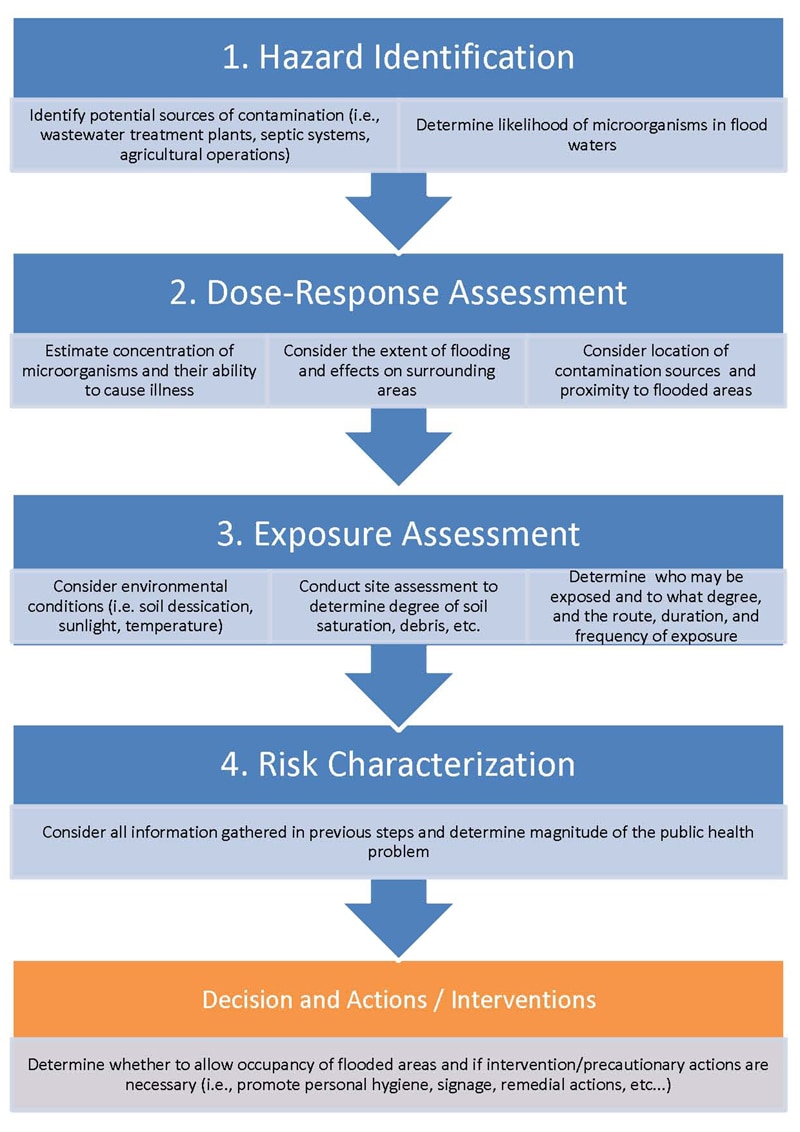
All food is at risk of contamination from these four types.
Main sources of food contamination. Examples include cleaners, sanitizers, and polishes. This is why food handlers have a legal responsibility to ensure that the food they prepare is free from these contaminants and safe for the consumer. It is recommended that all spacecraft projects develop an officially recognized ccp, as part of the basic documentation hierarchy. ◗ loss of time, money, and effort. Contamination fears are the most common, and can include anxieties about germs (germophobia), dirt, radiation, carcinogens, and even moral contamination. Food contamination refers to when something gets into food that shouldn't be there, thereby making the food unsafe to eat. Cleanroom contaminants can be divided into four major categories, physical contaminants, chemical contaminants, viable/microbial contaminants and. This applies to all types of spacecraft (low, medium and high sensitivity). Examples include foreign objects such as dirt, broken glass, metal staples, and bones. Here are the three types of contaminants: There are four main types of contamination: Examples include bacteria, viruses, parasites, fungi, and toxins from plants, mushrooms, and seafood.
There are four main types of contamination: Our ocd treatment program is typically 10 weeks. Airborne microorganisms are biologically active contaminants carried on free floating particles such as dust particles suspended in the air. Which three major factors cause food contamination? For instance, dirty clothes can transfer bacteria from.
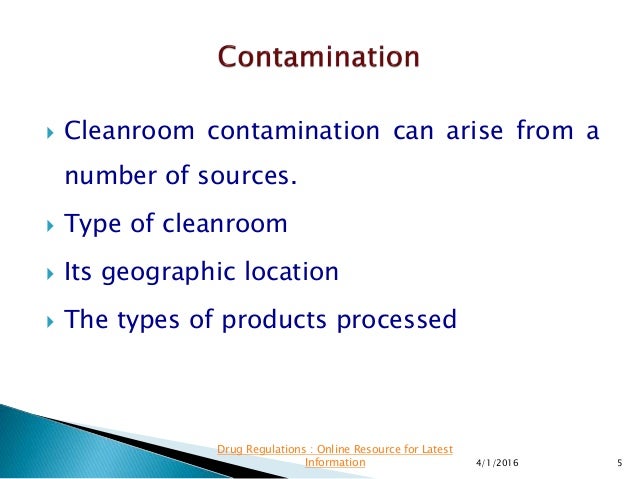
Cleanroom contaminants can be divided into four major categories, physical contaminants, chemical contaminants, viable/microbial contaminants and.
Sources of contamination types of food contamination the united states has the safest food supply in the world. The three types of contaminants: Chemical, microbial, physical, and allergenic. Learn vocabulary, terms and more with flashcards, games and other study tools. ◗ adverse effects on the cultures. These being sprayed or dripping onto surfaces where food is prepared. There are four main types of contamination: For instance, dirty clothes can transfer bacteria from. By using these four elements in the right way, we enable the users of our industrial washing systems to. On the surface of own prepared cultured. This is why food handlers have a legal responsibility to ensure that the food they prepare is free from these contaminants and safe for the consumer. For the most part, this type of contamination affects surface water where animals and plants may be decomposing. Contamination happens to the substance in use, whereas pollution happens to nature, soil, water, air, light, etc.
The most commonly present contaminants found in pharmaceutical products are Contamination of raw materials can also occur from the soil, sewage, live animals, external surface, and the internal organs of meat animals. Chemical contaminants are one of the serious sources of food contamination. Though we are very careful when handling food. Our cleaning philosophy consists of a combination of temperature, time, chemical and mechanical force.
◗ adverse effects on the cultures.
How do you eradicate the different types of contamination in a single wash cycle? Food contamination refers to when something gets into food that shouldn't be there, thereby making the food unsafe to eat. This applies to all types of spacecraft (low, medium and high sensitivity). Which three major factors cause food contamination? By using these four elements in the right way, we enable the users of our industrial washing systems to. Contamination control is the generic term for all activities aiming to control the existence, growth and proliferation of contamination in certain areas. Airborne microorganisms are biologically active contaminants carried on free floating particles such as dust particles suspended in the air. Contamination control may refer to the atmosphere as well as to surfaces. Sources of contamination types of food contamination the united states has the safest food supply in the world. Contamination fears are the most common, and can include anxieties about germs (germophobia), dirt, radiation, carcinogens, and even moral contamination. Main pathways for food contaminants. Examples include cleaners, sanitizers, and polishes. Contamination is the presence of a constituent, impurity, or some other undesirable element that spoils, corrupts, infects, makes unfit, or makes inferior a material, physical body, natural environment.


Komentar
Posting Komentar